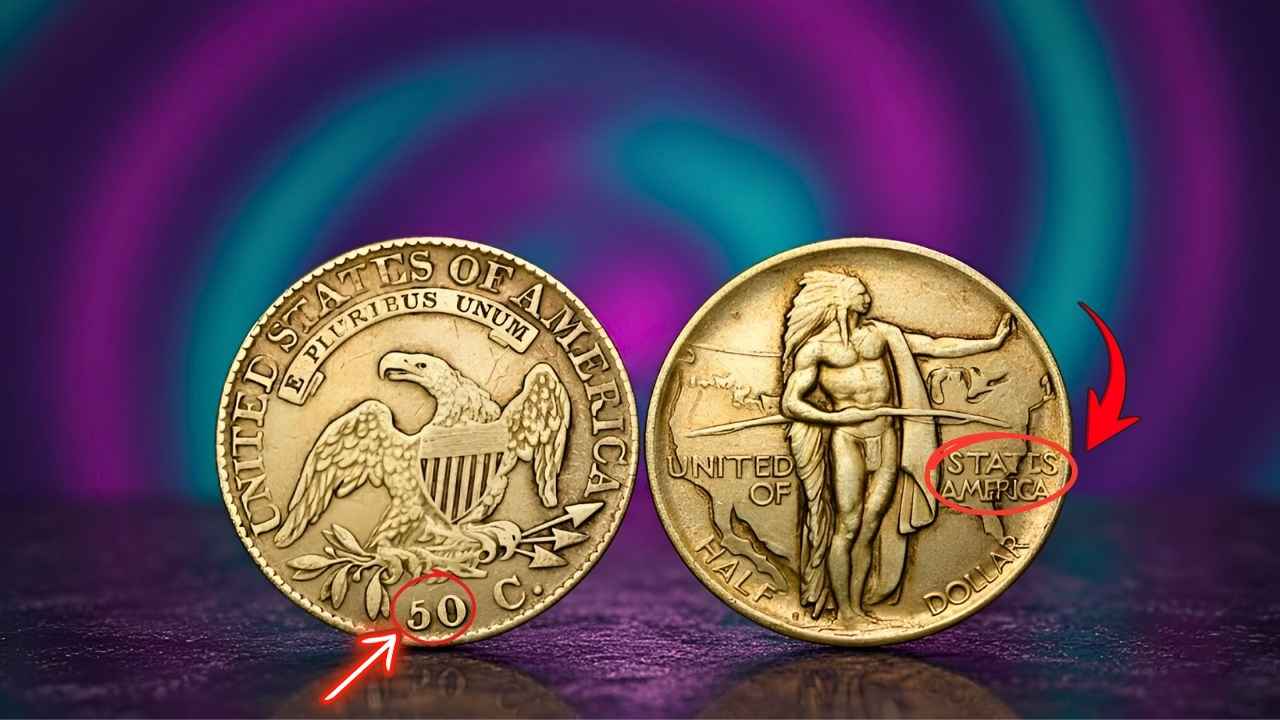
Coin collecting has always been more than just a hobby. For many, it is a passion that connects them to history, artistry, and hidden treasures. While most coins in circulation are worth only their face value, certain rare varieties and minting errors have transformed ordinary-looking pieces into collectibles worth thousands or even millions of dollars. Collectors today are paying huge sums for these rare coins, and many people unknowingly hold hidden gold in their own collections. This article explores the most valuable coins, the reasons behind their worth, and how collectors can identify treasures that others often overlook.
Why Rare Coins Are Valuable
The value of a coin is determined by several factors. Rarity is the most important, often influenced by low mintage numbers or unique varieties. Minting errors, such as doubled dies, off-center strikes, or wrong planchet coins, add to the desirability. Condition plays a crucial role, with coins graded at higher levels commanding premium prices. Historical significance also enhances value, as coins tied to important events or figures often attract strong demand. Collectors seek coins certified by professional grading services to ensure authenticity and quality, making rare coins a secure investment.
Famous Rare Coins Collectors Pay Huge For
Some coins have achieved legendary status in the world of numismatics. The 1943 copper penny, mistakenly struck during World War II when pennies were supposed to be made of steel, is one of the most famous. Only a handful exist, and they have sold for millions at auction. The 1804 Draped Bust Silver Dollar, known as the “King of American Coins,” is another rarity, with only fifteen known examples. High-grade specimens have sold for millions, making them prized treasures. The 1913 Liberty Nickel, with only five known examples, is another coin that collectors eagerly seek, often paying huge sums to own one.
Hidden Treasures in Everyday Collections
Many collectors overlook coins that appear ordinary but hold hidden value. For example, certain Lincoln Pennies, such as the 1909-S VDB or the 1914-D, are rare and valuable. Error coins like the 1955 doubled die penny or the 1969-S doubled die penny are also highly prized. Even modern coins can hold hidden treasures, such as the 2000-P Sacagawea Dollar known as the “Cheerios Dollar,” which features a unique reverse design. Collectors often discover these coins in old collections, inherited sets, or even pocket change, proving that hidden gold can be found in unexpected places.
The Role of Condition and Grading
Condition is one of the most important factors in determining the value of a coin. Coins that have been in circulation often show wear and tear, reducing their value. Uncirculated coins, especially those graded by professional services, can command much higher prices. Proof coins, struck with specially polished dies, are particularly prized for their mirror-like finish and sharp details. Collectors often focus on acquiring coins in the highest possible grades, as these are the ones most likely to appreciate in value over time.
Investment Potential of Rare Coins
Rare coins are not only collectibles but also investments. Their value tends to appreciate over time, especially as demand from collectors grows. For investors, acquiring rare coins can be a way to diversify assets while owning tangible pieces of history. Coins made of precious metals, such as silver or gold, carry intrinsic value in addition to their rarity. The combination of historical significance, rarity, and collector demand ensures that rare coins remain valuable treasures. While not every coin will be worth millions, the rarest examples have proven to be life-changing finds.
Famous Error Coins Collectors Seek
Error coins are particularly fascinating because they represent mistakes in the minting process. The 1955 doubled die penny is one of the most famous, with noticeable doubling on the obverse. The 1972 doubled die penny and the 1992 Close AM penny are other examples of rare varieties that collectors eagerly seek. For larger denominations, coins like the 1970-D Kennedy Half Dollar, struck only for collector sets, are highly prized. These errors and varieties often go unnoticed by casual collectors, but they can be worth huge sums when identified and authenticated.
How to Identify Hidden Gold in Your Collection
Collectors should carefully examine their coins for key dates, mint marks, and potential errors. Using magnification can help spot doubled dies or repunched mint marks. Reference guides and online resources provide valuable information about rare varieties and their characteristics. Professional grading services offer authentication and grading, ensuring that collectors receive fair value for their coins. Storage is also important; coins should be kept in protective holders to prevent damage and preserve value. With patience and attention to detail, collectors can uncover hidden treasures in their own collections.
Historical Significance of Rare Coins
Rare coins are more than just valuable collectibles; they are artifacts of history. The 1943 copper penny represents the resource conservation efforts of World War II. The 1804 Draped Bust Silver Dollar reflects America’s early coinage and diplomatic history. The Sacagawea Dollar honors the contributions of a Native American woman to the Lewis and Clark expedition. Collectors value these coins not only for their rarity and beauty but also for the stories they tell about America’s past. Owning these coins is like holding a piece of history in your hand.
Key Highlights
- Rare coins are valuable due to rarity, errors, condition, and historical significance
- Famous examples include the 1943 copper penny, 1804 Draped Bust Silver Dollar, and 1913 Liberty Nickel
- Hidden treasures can be found in ordinary collections, such as rare Lincoln Pennies and Sacagawea Dollars
- Condition and grading play a crucial role in determining value
- Rare coins offer both collecting enjoyment and investment potential
- Error coins like doubled dies and wrong planchet issues are highly prized
- Historical significance adds to the appeal and value of rare coins
Final Words
Collectors are paying huge sums for rare coins, and many people unknowingly hold hidden gold in their collections. From legendary rarities like the 1943 copper penny to subtle varieties like the 1992 Close AM penny, these coins represent treasures waiting to be discovered. Whether you are a seasoned numismatist or a beginner, exploring rare coins offers a rewarding journey into history, artistry, and value. Their enduring popularity ensures that they will remain valuable treasures for generations to come.