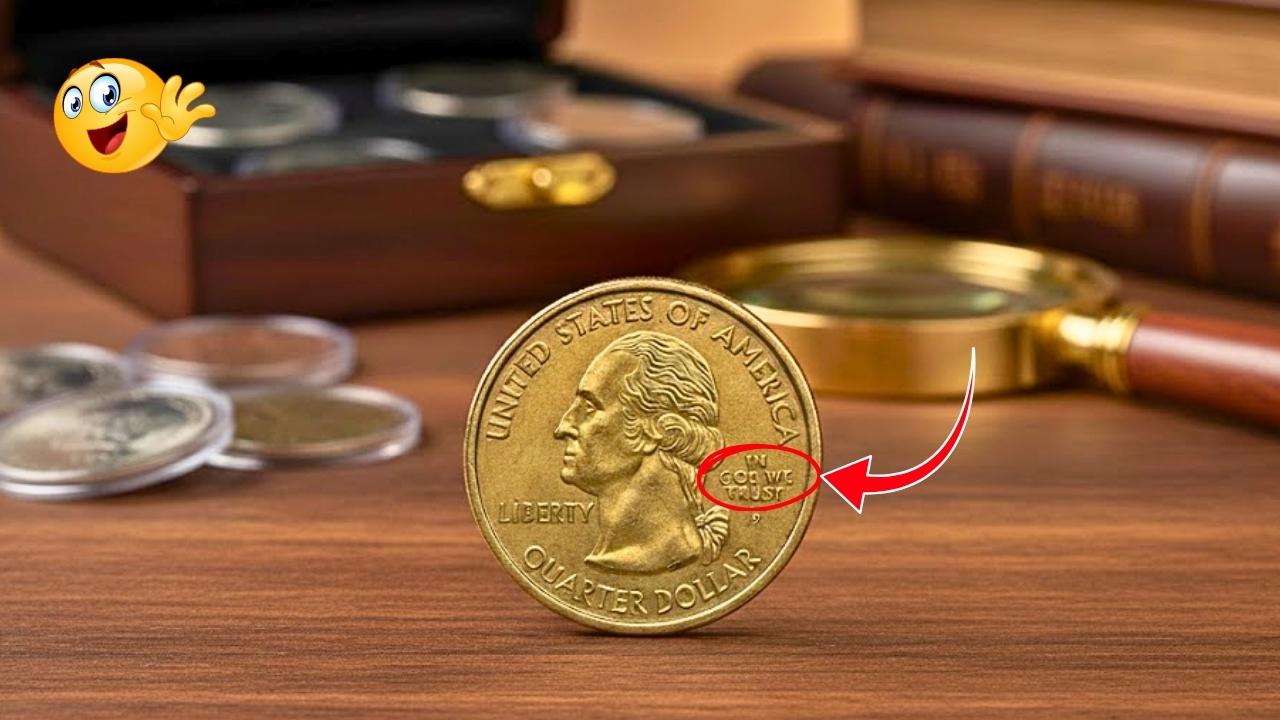
Coin collecting has always been a fascinating hobby, blending history, art, and the thrill of discovery. Among the most talked‑about coins in recent years is the 1789–2001 North Carolina state quarter. Rumors have circulated online claiming that this coin could be worth millions, sparking curiosity among collectors and casual enthusiasts alike. But is there truth behind these claims, or is it simply hype? This article explores the story of the North Carolina quarter, its background, and other rare coins that truly hold significant value.
The Story of the North Carolina State Quarter
The North Carolina quarter was released in 2001 as part of the U.S. Mint’s 50 State Quarters Program. This program ran from 1999 to 2008, issuing quarters that honored each state with unique designs. North Carolina’s coin commemorated the Wright brothers’ first flight in Kitty Hawk in 1903, featuring their plane soaring above the sand dunes.
The date 1789–2001 on the coin represents the year North Carolina joined the Union and the year the quarter was issued. While the design is iconic and historically significant, most of these coins were minted in large numbers, making them common in circulation.
Is the North Carolina Quarter Worth Millions?
The short answer is no. Despite viral posts and exaggerated claims, the standard North Carolina quarter is not worth millions. Most examples are worth only their face value of twenty‑five cents. However, certain rare varieties, mint errors, or coins in pristine uncirculated condition can fetch higher prices among collectors.
For example, quarters with double die errors, off‑center strikes, or unusual minting flaws may be worth anywhere from a few dollars to several hundred dollars. Proof versions struck for collectors can also hold added value, especially if graded by professional services. But the idea of a single North Carolina quarter being worth millions is a myth.
Other Rare Coins That Truly Hold Value
While the North Carolina quarter may not make you rich, there are other coins in U.S. history that are genuinely rare and valuable. Here are four examples that collectors prize:
1. 1909‑S VDB Lincoln Penny
This penny was the first to feature Abraham Lincoln, designed by Victor David Brenner. The initials “VDB” were placed prominently on the reverse, but controversy led to their removal. The San Francisco mint produced only a limited number, making this coin highly sought after.
2. 1943 Copper Penny
During World War II, pennies were made of steel coated with zinc to save copper for ammunition. A few copper pennies were mistakenly struck, and these rare coins can be worth tens of thousands of dollars today.
3. 1955 Double Die Penny
This coin is famous for its dramatic doubling of the date and lettering. Collectors consider it one of the most iconic error coins, with values ranging from hundreds to thousands depending on condition.
4. 1933 Saint‑Gaudens Double Eagle
Perhaps the most legendary U.S. coin, the 1933 Double Eagle gold coin was never officially released due to changes in monetary policy. A few examples survived, and one sold for over $18 million at auction, making it one of the most valuable coins in the world.
Why Rare Coins Gain Value
The value of rare coins depends on several factors:
- Limited mintage or accidental errors that reduce supply.
- Historical significance tied to events or figures.
- Collector demand driving up market prices.
- Condition and grading, with uncirculated coins worth far more than worn examples.
Coins like the 1909‑S VDB penny or the 1943 copper penny meet these criteria, which is why they command such high values compared to common state quarters.
How to Spot Rare Coins in Your Change
Even though most coins are ordinary, treasures can still be found in circulation. Here are some tips:
- Always check the date and mint mark carefully.
- Look for unusual features such as doubling, off‑center strikes, or odd coloration.
- Compare your coin to reference images online or in coin guidebooks.
- Consider having potentially rare coins graded by a professional service.
The Role of Online Hype
Social media often exaggerates the value of coins, leading people to believe that common coins are worth millions. While this generates excitement, it can also mislead collectors. The North Carolina quarter is a perfect example of how myths spread quickly online. Serious collectors rely on trusted sources, auction records, and grading services to determine true value.
Key Highlights
- The 1789–2001 North Carolina quarter is part of the 50 State Quarters Program.
- Standard versions are not worth millions, though rare errors or proof coins may hold added value.
- Viral claims about the coin’s value are exaggerated and often misleading.
- Truly rare coins include the 1909‑S VDB penny, 1943 copper penny, 1955 double die penny, and 1933 Double Eagle.
- Coin value depends on rarity, demand, historical significance, and condition.
Final Words
The North Carolina quarter is a beautiful piece of American history, celebrating the Wright brothers’ first flight and the state’s role in the Union. While it is not worth millions, it remains a cherished coin for collectors and enthusiasts. The real treasures lie in coins with limited mintages, unique errors, or extraordinary historical significance.
For anyone interested in coin collecting, the lesson is clear: check your change, learn about coin varieties, and stay informed through reliable sources. You may not stumble upon a million‑dollar quarter, but the thrill of discovery and the connection to history make coin collecting a rewarding pursuit.