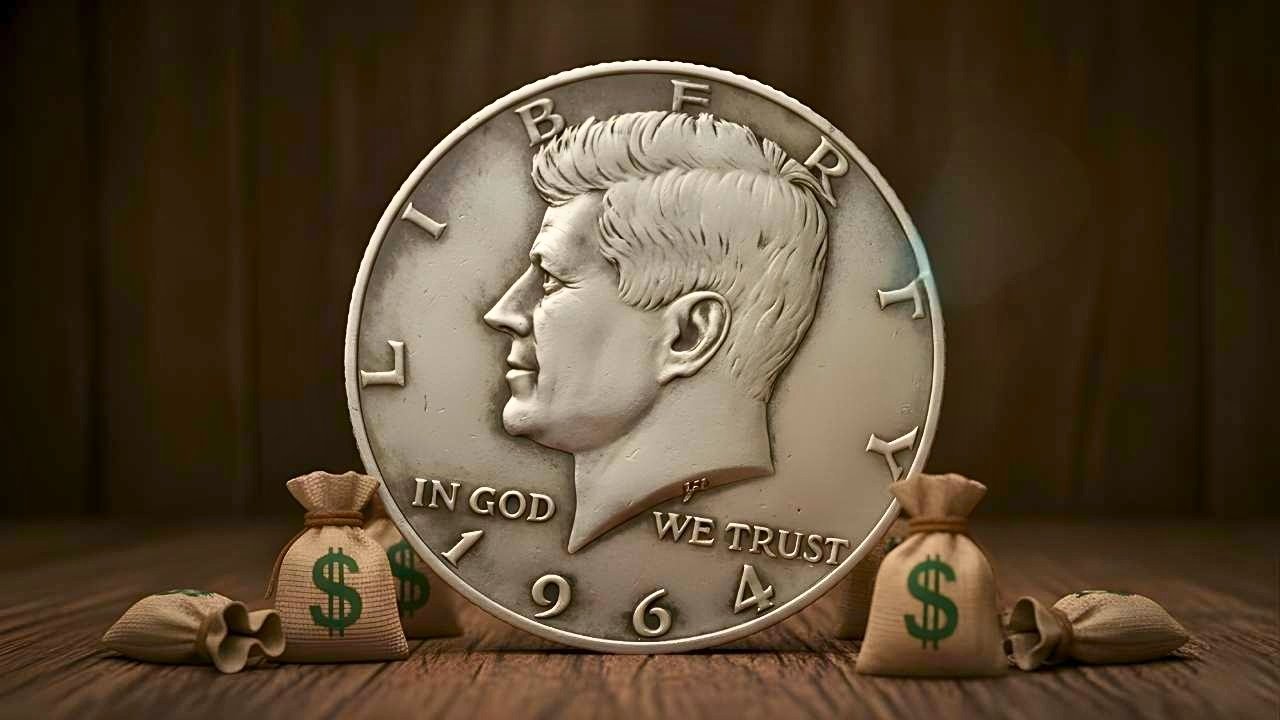
The 1976 Bicentennial quarter, often called the “Drummer Boy quarter,” is one of the most recognizable coins in American history. Minted to celebrate the 200th anniversary of the nation’s independence, it features a unique reverse design of a colonial drummer and a torch surrounded by thirteen stars. While most of these coins remain common and circulate at face value, certain rare varieties and error coins have achieved extraordinary value. One such example reportedly sold for $550,000, sparking renewed interest among collectors and casual enthusiasts alike.
The Bicentennial Coin Program
In 1975 and 1976, the U.S. Mint released special designs for the quarter, half dollar, and dollar to commemorate the bicentennial of American independence. The quarter’s reverse was designed by Jack L. Ahr, while the obverse retained George Washington’s portrait. These coins were struck in massive numbers at the Philadelphia, Denver, and San Francisco mints.
The dual date “1776–1976” was used instead of a single year, making them instantly recognizable. Millions were produced, ensuring that nearly every American encountered these coins in circulation.
Common Bicentennial Quarters
Most Bicentennial quarters are extremely common. Circulated examples are worth only their face value of twenty‑five cents. Even uncirculated coins typically sell for just a few dollars. Proof sets and collector editions from the San Francisco Mint hold slightly higher value, especially those struck in silver.
Rare Varieties and Errors
The true excitement for collectors lies in rare varieties and minting errors. Some of the most notable include:
- Silver Bicentennial Quarters: Special collector editions struck in 40 percent silver, often found in proof and uncirculated sets.
- Double Die Errors: Coins showing doubling in the date, lettering, or design elements.
- Off‑Center Strikes: Coins struck off‑center, creating unusual and collectible appearances.
- Wrong Planchet Errors: Bicentennial designs accidentally struck on planchets intended for other denominations.
These rare varieties can elevate the value of a Bicentennial quarter from a few dollars to thousands, depending on condition and rarity.
The $550,000 Drummer Boy Quarter
Among the most famous stories is the Bicentennial quarter that reportedly sold for $550,000. This coin was not an ordinary circulation strike but a rare variety with unique characteristics that set it apart. High‑grade condition, combined with rarity and collector demand, contributed to its extraordinary value.
While most Bicentennial quarters are common, this example demonstrates how rare errors or special editions can transform a simple coin into a treasure worth hundreds of thousands.
Why Some Bicentennial Quarters Are Valuable
Several factors influence the value of Bicentennial quarters:
- Rarity: Limited production or minting errors create scarcity.
- Condition: Coins in mint state or proof condition are worth far more than circulated examples.
- Composition: Silver issues hold greater value due to their precious metal content.
- Collector Demand: Nostalgia and historical significance drive strong interest in Bicentennial coins.
How to Identify Valuable Bicentennial Quarters
Collectors should pay close attention to the following details:
- Mint Mark: Philadelphia coins have no mint mark, Denver coins show a “D,” and San Francisco coins show an “S.”
- Composition: Silver coins are heavier and have a different edge coloration compared to copper‑nickel issues.
- Errors: Look for doubling, off‑center strikes, or unusual features.
- Condition: Uncirculated and proof coins are more valuable than worn examples.
Tips for Collectors
- Search proof and uncirculated sets for silver Bicentennial quarters.
- Inspect coins carefully for minting errors.
- Store coins properly to preserve condition.
- Consider professional grading to confirm authenticity and establish value.
- Stay informed about auction results and collector trends.
The Joy of Collecting Bicentennial Quarters
Beyond financial value, Bicentennial quarters hold deep historical and cultural significance. They represent a celebration of America’s 200th anniversary and reflect the pride of a nation. For many collectors, the thrill lies not only in profit but in the discovery of hidden treasures that others overlook.
Key Highlights
- The Bicentennial quarter was minted in 1975 and 1976 to celebrate America’s 200th anniversary.
- Most examples are common and worth face value.
- Rare varieties include silver issues, double die errors, off‑center strikes, and wrong planchet coins.
- One rare Bicentennial quarter reportedly sold for $550,000.
- Value depends on rarity, condition, composition, and collector demand.
Final Words
The 1976 Drummer Boy Bicentennial quarter is more than just a coin; it is a symbol of America’s heritage and celebration of independence. While most examples remain common, rare varieties and error coins can be worth significant amounts. The story of a quarter selling for $550,000 highlights the incredible potential hidden in everyday change.
For collectors, the pursuit of Bicentennial quarters is not just about wealth but about preserving history and enjoying the thrill of discovery. Whether found in circulation, inherited from family, or purchased at auction, these coins continue to inspire with their unique blend of artistry, rarity, and fortune.