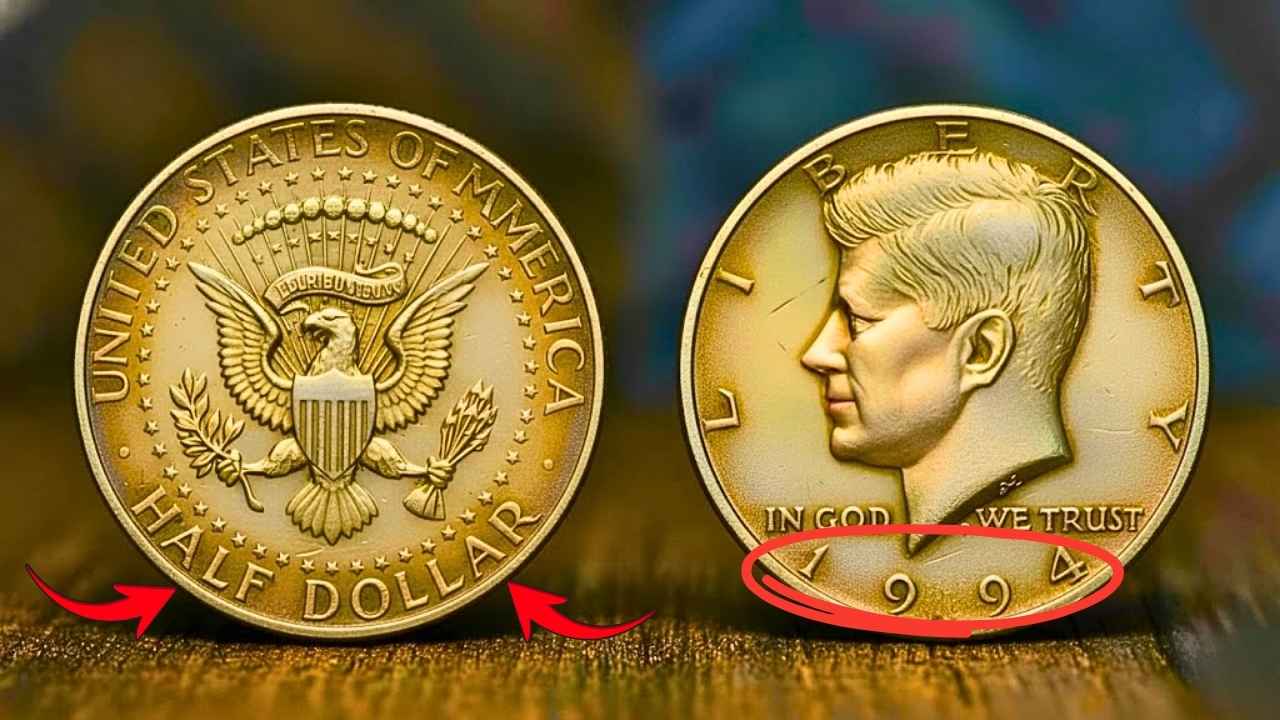
The Kennedy half dollar is one of the most iconic coins in American history. Introduced in 1964 to honor President John F. Kennedy after his assassination, it quickly became a symbol of national pride and remembrance. While most Kennedy half dollars are worth only their face value, certain rare editions have shocked the numismatic world with extraordinary valuations. Among them, one particular Kennedy half dollar has been reported to be worth an astonishing $6.9 million. This story has captured the imagination of collectors and enthusiasts, sparking debates about myths, facts, and how to identify truly valuable coins.
The Origins of the Kennedy Half Dollar
The Kennedy half dollar was first minted in 1964, replacing the Franklin half dollar. Its design features a portrait of President Kennedy on the obverse and the presidential seal on the reverse. The coin was initially struck in 90 percent silver, making it valuable not only for its symbolism but also for its metal content.
Over the years, the composition changed to copper‑nickel clad, but the coin remained popular among collectors. Special proof editions and limited runs added to its appeal, ensuring that the Kennedy half dollar retained a place in American coinage history.
Myths Surrounding the $6.9 Million Coin
The claim that a Kennedy half dollar is worth $6.9 million has fueled myths and speculation. Some believe that the coin is a unique error, while others suggest it is tied to a historical event or rare minting process. In reality, such astronomical valuations are often linked to unique circumstances, such as private auctions, celebrity ownership, or extreme rarity.
Myths also circulate about ordinary Kennedy half dollars being worth millions, leading many to search their pocket change in hopes of striking it rich. While most coins are not worth more than a few dollars, certain rare editions can indeed command high prices.
Facts About Valuable Kennedy Half Dollars
The value of a Kennedy half dollar depends on several factors, including rarity, condition, and historical significance. Coins minted in 1964 with 90 percent silver content are more valuable than later editions. Proof coins, especially those with low mintages, can also be worth significantly more.
Error coins, such as those with double strikes or unusual compositions, are highly prized by collectors. These rare variations can elevate a coin’s value far beyond its face value. Professional grading services play a crucial role in determining authenticity and condition, ensuring that collectors can trust the valuations assigned to rare coins.
Identification Tips for Collectors
For collectors and enthusiasts, identifying valuable Kennedy half dollars requires careful attention to detail. Here are some tips:
- Check the mint mark: Coins minted in Denver (D) or San Francisco (S) may have higher value depending on the year.
- Examine the composition: Coins minted before 1971 contain silver, making them more valuable.
- Look for errors: Double strikes, off‑center designs, or unusual features can indicate rare coins.
- Assess the condition: Coins in uncirculated or proof condition are worth more than worn examples.
- Consult grading services: Professional certification adds credibility and enhances value.
By following these steps, collectors can distinguish ordinary coins from rare treasures.
The Role of Auctions and Collectors
High valuations, such as the $6.9 million Kennedy half dollar, often occur in private auctions where wealthy collectors compete for unique items. These auctions can drive prices far beyond standard market values, reflecting the passion and prestige associated with owning rare coins.
Collectors play a vital role in preserving history through their collections. By valuing coins not only for their monetary worth but also for their cultural significance, they ensure that artifacts like the Kennedy half dollar remain cherished for generations.
The Cultural Significance of the Kennedy Half Dollar
Beyond its monetary value, the Kennedy half dollar holds deep cultural significance. It represents a nation’s tribute to a beloved president and serves as a reminder of a pivotal moment in American history. Collectors often view the coin as more than just currency; it is a symbol of resilience, remembrance, and national pride.
This cultural dimension adds to the coin’s appeal, making it a sought‑after item even among those who are not traditional numismatists.
Key Highlights
- The Kennedy half dollar was introduced in 1964 to honor President John F. Kennedy
- A rare edition has been reported to be worth $6.9 million, sparking myths and fascination
- Coins minted before 1971 contain silver and are generally more valuable
- Error coins and proof editions can command high prices among collectors
- Identification tips include checking mint marks, composition, and condition
- Auctions and collectors drive extraordinary valuations, reflecting passion and prestige
Final Words
The story of the rare Kennedy half dollar worth $6.9 million highlights the fascinating world of numismatics, where history, culture, and economics intersect. While myths often exaggerate the value of ordinary coins, the facts reveal that certain rare editions can indeed be worth extraordinary sums.
For collectors, the Kennedy half dollar is more than just a coin—it is a piece of history, a symbol of national pride, and a potential treasure. By learning to identify valuable coins and understanding the factors that influence their worth, enthusiasts can appreciate the true significance of these remarkable artifacts.
As the numismatic world continues to evolve, the Kennedy half dollar remains a shining example of how everyday currency can transform into a priceless piece of heritage.