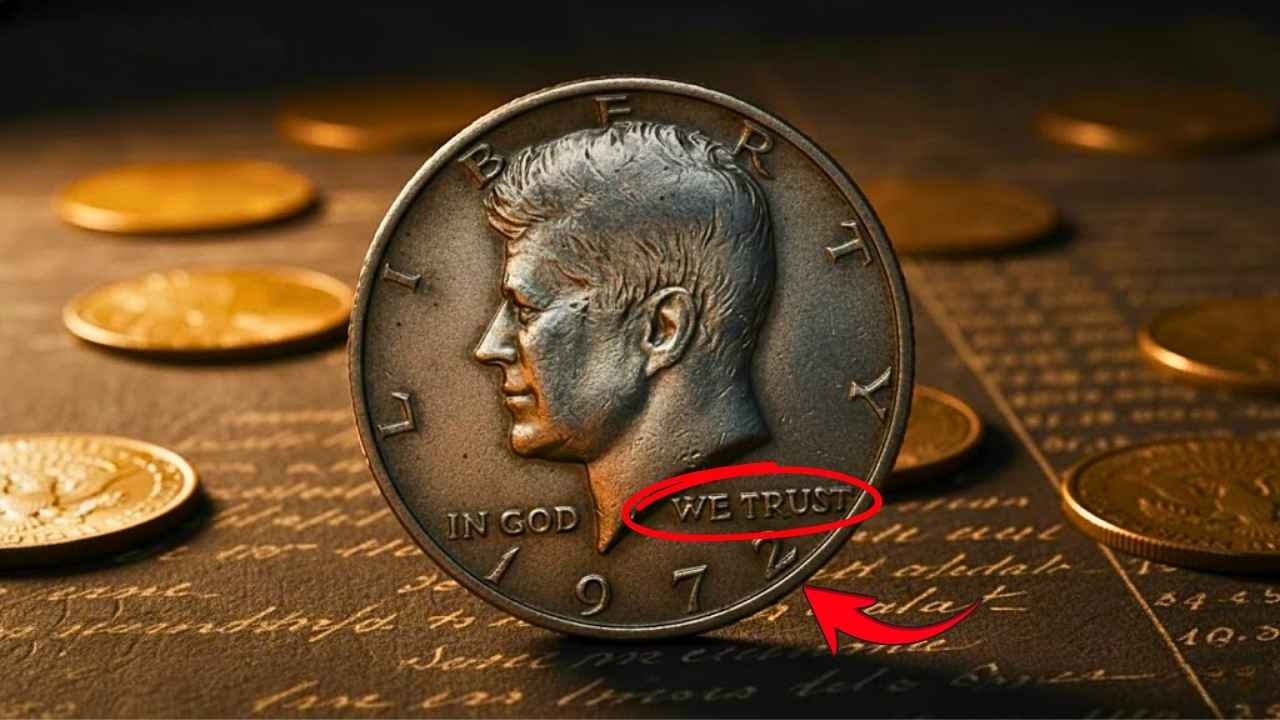
The Washington Quarter has been a cornerstone of American coinage since its introduction in 1932. Originally designed to commemorate the 200th anniversary of George Washington’s birth, this coin quickly became a staple in everyday transactions. Over the decades, certain Washington Quarters have gained immense value due to rarity, minting errors, and historical significance. Today, collectors and investors alike seek out these valuable quarters, some of which are worth thousands, and in rare cases, even millions.
The History of the Washington Quarter
The Washington Quarter was first minted in 1932, replacing the Standing Liberty Quarter. Sculptor John Flanagan’s design was chosen, featuring a profile of George Washington on the obverse and an eagle on the reverse. Initially struck in 90 percent silver, the coin’s composition changed in 1965 to a copper‑nickel clad due to rising silver prices.
This transition marked a turning point in the coin’s history, as silver quarters became highly collectible. Over the years, special editions, proof coins, and minting errors have added to the allure of the Washington Quarter.
Factors That Make a Washington Quarter Valuable
Several factors contribute to the value of a Washington Quarter. Rarity is the most significant, with coins produced in limited numbers or with unique errors commanding high prices. Condition also plays a crucial role, as coins in pristine, uncirculated states are far more valuable than those showing wear. Historical significance, such as coins minted during transitional years, adds to their desirability.
Collectors also pay close attention to mint marks, which indicate where the coin was produced. Quarters from certain mints, such as Denver or San Francisco, can be rarer and more valuable depending on the year.
1932‑D Washington Quarter
One of the most valuable quarters in circulation is the 1932‑D Washington Quarter. With a mintage of only 436,800, it is one of the lowest production runs in the series. Collectors prize this coin for its rarity, and high‑grade examples can fetch tens of thousands of dollars at auction.
1932‑S Washington Quarter
Similar to the Denver issue, the 1932‑S Washington Quarter is highly sought after due to its low mintage of 408,000. Together, the 1932‑D and 1932‑S quarters are considered key dates in the Washington Quarter series.
1943 Doubled Die Obverse Quarter
Minting errors often create valuable coins, and the 1943 Doubled Die Obverse Quarter is a prime example. The doubling on the obverse makes this coin unique, and collectors are willing to pay significant premiums for well‑preserved examples.
1950‑D/S Overmintmark Quarter
Another rarity is the 1950‑D/S Overmintmark Quarter, created when a Denver mint mark was stamped over a San Francisco mint mark. This unusual error has made the coin highly collectible, with values reaching thousands depending on condition.
1964 Silver Washington Quarter
The 1964 Silver Washington Quarter holds special significance as the last year quarters were struck in 90 percent silver. While not as rare as earlier issues, high‑grade examples and proof coins from this year are highly valued by collectors.
1970‑S Proof Quarter with Doubled Die Obverse
Proof coins are struck with exceptional detail, and errors in these coins are particularly prized. The 1970‑S Proof Quarter with a doubled die obverse is one such rarity, commanding strong prices in the numismatic market.
1976 Bicentennial Quarter
Issued to celebrate America’s 200th anniversary, the Bicentennial Quarter features a unique design with a colonial drummer on the reverse. While most Bicentennial Quarters are common, certain silver‑clad proof versions are highly collectible and can be worth hundreds of dollars.
Modern Rarities
Even modern Washington Quarters can hold significant value. State Quarters and America the Beautiful Quarters with minting errors or low production runs have become popular among collectors. For example, certain 2004 Wisconsin State Quarters with an extra leaf on the corn design are worth thousands.
Investment Potential of Washington Quarters
Washington Quarters are not only prized collectibles but also valuable investments. Their limited supply and historical importance ensure that demand remains strong. Auction prices have consistently risen, with certain coins reaching record highs. For collectors and investors alike, Washington Quarters represent a unique opportunity to own a piece of history while building wealth.
Tips for Collectors
For those interested in collecting Washington Quarters, authenticity and condition are key. Coins should be purchased from reputable dealers or auction houses, and grading by professional services adds credibility. Preservation is also important, as coins in higher grades command significantly higher prices.
Key Highlights
- Washington Quarters introduced in 1932 to honor George Washington
- 1932‑D and 1932‑S quarters are key rarities with low mintages
- Error coins like the 1943 Doubled Die and 1950‑D/S Overmintmark are highly valuable
- 1964 marked the last year of silver quarters
- Proof coins such as the 1970‑S doubled die are prized by collectors
- Bicentennial Quarters with silver‑clad versions hold strong value
- Modern State Quarters with minting errors can be worth thousands
- Condition, rarity, and mint marks are crucial factors in determining value
Final Words
The Washington Quarter remains one of the most iconic coins in American history. From its origins in 1932 to modern commemorative editions, it has captured the imagination of collectors worldwide. Rare examples, whether due to low mintages or unique errors, continue to command extraordinary prices, sometimes reaching into the millions.
For enthusiasts and investors alike, Washington Quarters represent more than just currency. They are historical artifacts that tell the story of America’s past while offering tangible value in the present. Owning one of these rare quarters is not only a matter of prestige but also a connection to history that will endure for generations.