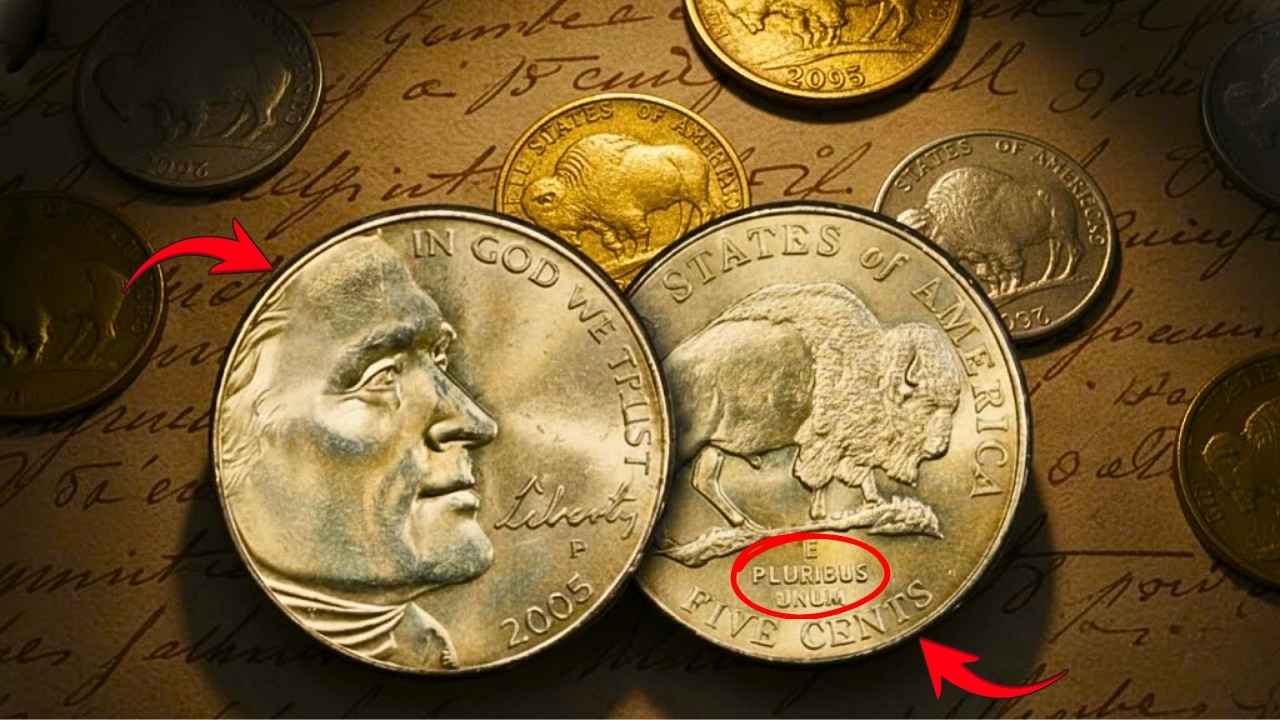
Buffalo Nickels, also known as Indian Head Nickels, are among the most iconic coins in American history. Minted between 1913 and 1938, these coins feature a Native American profile on the obverse and a majestic buffalo on the reverse. While millions were produced during their circulation years, certain rare editions and error coins have become highly valuable, often worth thousands and sometimes even more. Collectors treasure Buffalo Nickels not only for their monetary value but also for their historical significance and artistic design.
The Origins of the Buffalo Nickel
The Buffalo Nickel was introduced in 1913 as part of a broader movement to beautify American coinage. Designed by sculptor James Earle Fraser, the coin was intended to celebrate America’s heritage and culture. The Native American portrait was inspired by a combination of several tribal leaders, while the buffalo was modeled after Black Diamond, a bison from the Central Park Zoo in New York.
The coin quickly became popular, but its design posed challenges for the U.S. Mint. The raised details wore down easily, making the coins difficult to keep in pristine condition. Despite these issues, the Buffalo Nickel remained in circulation until 1938, when it was replaced by the Jefferson Nickel.
Factors That Make Buffalo Nickels Valuable
Several factors contribute to the value of Buffalo Nickels. Rarity is the most important, with coins produced in limited numbers or with unique errors commanding high prices. Condition also plays a crucial role, as coins in uncirculated or high‑grade states are far more valuable than those showing heavy wear. Historical significance, such as coins minted during transitional years, adds to their desirability.
Collectors also pay close attention to mint marks, which indicate where the coin was produced. Quarters from certain mints, such as Denver or San Francisco, can be rarer and more valuable depending on the year.
1913 Type 1 Buffalo Nickel
The first year of issue, 1913, produced two distinct types. Type 1 features the buffalo standing on a raised mound, while Type 2 shows the buffalo on a flat line. The Type 1 version was only minted for a short period before being replaced, making it rarer and more valuable. Collectors prize this coin for its historical significance as the original design.
1913‑S Type 2 Buffalo Nickel
The 1913‑S Type 2 Buffalo Nickel is one of the rarest in the series. With a low mintage of just over 1.2 million, it is highly sought after by collectors. High‑grade examples can fetch thousands of dollars, making it a cornerstone of any Buffalo Nickel collection.
1918/7‑D Overdate Buffalo Nickel
One of the most famous error coins in American numismatics, the 1918/7‑D Buffalo Nickel was created when a 1917 die was mistakenly over‑punched with 1918. This error resulted in a unique coin that collectors eagerly seek, often paying six figures for well‑preserved examples.
1921‑S Buffalo Nickel
The 1921‑S Buffalo Nickel is another rarity, with a low mintage and few surviving in high grades. Its scarcity and historical significance make it one of the most valuable coins in the Buffalo series. Collectors often consider it a must‑have for completing a Buffalo Nickel set.
1926‑S Buffalo Nickel
The 1926‑S Buffalo Nickel is notorious for its poor strike quality, making well‑preserved examples extremely rare. With a mintage of just over 970,000, it is one of the lowest production runs in the series. High‑grade specimens are worth tens of thousands of dollars.
1937‑D Three‑Legged Buffalo Nickel
Perhaps the most famous error in the Buffalo Nickel series, the 1937‑D Three‑Legged Buffalo was created when a die polishing mistake removed one of the buffalo’s legs. This quirky error has made the coin highly collectible, with values reaching tens of thousands depending on condition.
Collecting Buffalo Nickels Today
Buffalo Nickels remain popular among collectors due to their iconic design and historical significance. While common dates can be found for a few dollars, rare editions and error coins command extraordinary prices. Collectors often focus on completing sets, acquiring key dates, or hunting for rare varieties.
Grading is essential in determining value, with professional services providing credibility and assurance. Coins in higher grades are significantly more valuable, making preservation and careful handling crucial.
Investment Potential of Buffalo Nickels
Buffalo Nickels are not only prized collectibles but also valuable investments. Their limited supply and historical importance ensure that demand remains strong. Auction prices have consistently risen, with certain coins reaching record highs. For collectors and investors alike, Buffalo Nickels represent a unique opportunity to own a piece of history while building wealth.
Tips for Collectors
For those interested in collecting Buffalo Nickels, authenticity and condition are key. Coins should be purchased from reputable dealers or auction houses, and grading by professional services adds credibility. Preservation is also important, as coins in higher grades command significantly higher prices.
Key Highlights
- Buffalo Nickels minted between 1913 and 1938 are iconic pieces of American coinage
- 1913 Type 1 and 1913‑S Type 2 are highly valuable early issues
- 1918/7‑D overdate is one of the most famous error coins worth six figures
- 1921‑S and 1926‑S nickels are rare due to low mintages and poor strikes
- 1937‑D Three‑Legged Buffalo is a legendary error coin prized by collectors
- Condition, rarity, and mint marks are crucial factors in determining value
- Buffalo Nickels remain popular among collectors and investors alike
Final Words
The Buffalo Nickel is more than just a coin; it is a symbol of America’s heritage and artistry. From its origins in 1913 to its replacement in 1938, the coin has captured the imagination of collectors worldwide. Rare examples, whether due to low mintages or unique errors, continue to command extraordinary prices, sometimes reaching into the millions.
For enthusiasts and investors alike, Buffalo Nickels represent more than just currency. They are historical artifacts that tell the story of America’s past while offering tangible value in the present. Owning one of these rare nickels is not only a matter of prestige but also a connection to history that will endure for generations.