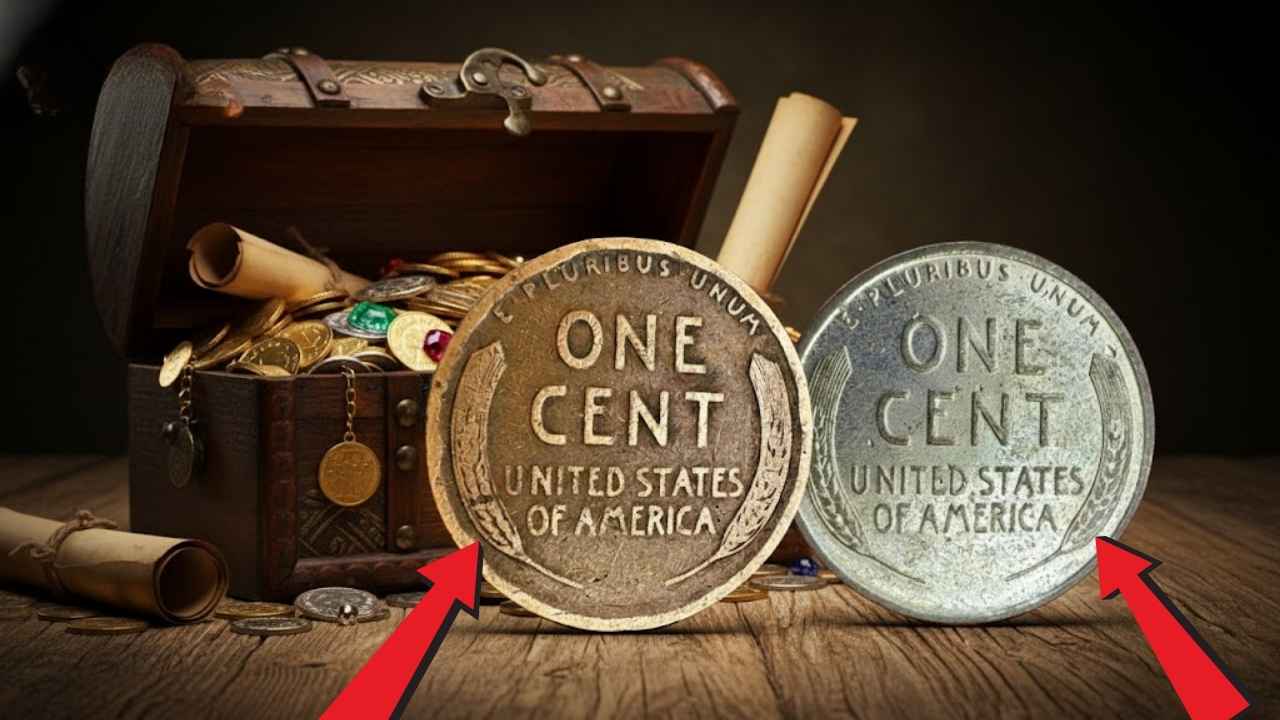
Wheat Pennies, officially known as Lincoln Wheat Cents, are among the most beloved coins in American numismatics. Minted from 1909 to 1958, these coins feature the portrait of Abraham Lincoln on the obverse and two wheat stalks on the reverse. While many Wheat Pennies are common and circulate at face value, certain rare dates, mint marks, and varieties have become highly valuable. For collectors and enthusiasts, these coins represent hidden treasures that can be worth far more than a single cent. This guide explores the most valuable Wheat Pennies, their history, and why they continue to capture the imagination of coin collectors.
The History of Wheat Pennies
The Lincoln Wheat Cent was introduced in 1909 to commemorate the centennial of Abraham Lincoln’s birth. Designed by Victor David Brenner, it was the first U.S. coin to feature a president’s portrait. The reverse design, with two wheat stalks, symbolized prosperity and growth. Wheat Pennies were struck in bronze until 1943, when steel was used due to wartime shortages. The series ended in 1958, replaced by the Lincoln Memorial Cent in 1959.
Throughout its production, the Wheat Penny became a staple of American coinage, widely circulated and cherished by generations. Today, collectors seek out rare issues that stand out due to low mintages, unique varieties, or historical significance.
1909-S VDB Wheat Penny
The 1909-S VDB is one of the most famous Wheat Pennies. Struck at the San Francisco Mint, it features the designer’s initials “VDB” on the reverse. Only 484,000 were minted, making it one of the lowest mintage coins in the series. Collectors prize this coin for its rarity and historical importance. In high grades, the 1909-S VDB can be worth thousands of dollars, making it a cornerstone of any Wheat Penny collection.
1914-D Wheat Penny
The 1914-D is another key rarity. With a mintage of just over one million, it is scarce in circulation and extremely difficult to find in high grades. Collectors value this coin for its rarity and the challenge it presents in completing a set. Mint state examples can sell for thousands, while even circulated versions command strong premiums. The 1914-D highlights the importance of mint marks in determining a coin’s value.
1922 No D Wheat Penny
The 1922 No D variety is a fascinating error coin. Struck at the Denver Mint, some coins were produced without the “D” mint mark due to worn dies. As a result, these coins appear as if they were struck in Philadelphia, which did not mint Wheat Pennies that year. The 1922 No D is rare and highly sought after, with values reaching thousands of dollars depending on condition. This variety demonstrates how minting errors can create valuable treasures.
1931-S Wheat Penny
The 1931-S is one of the lowest mintage Wheat Pennies, with just 866,000 produced. While not as famous as the 1909-S VDB, it remains a key date for collectors. High-grade examples are especially valuable, often worth hundreds or more. The 1931-S reflects the economic challenges of the Great Depression, when coin production was reduced due to limited demand.
1943 Copper Wheat Penny
The 1943 Copper Wheat Penny is one of the most legendary coins in American numismatics. During World War II, pennies were struck in steel to conserve copper for the war effort. However, a few copper planchets were mistakenly used, resulting in extremely rare 1943 Copper Pennies. Only a handful are known to exist, and they can sell for hundreds of thousands of dollars at auction. This coin represents the ultimate hidden treasure in the Wheat Penny series.
Value by Condition
Condition plays a crucial role in determining the value of Wheat Pennies. Coins are graded on the Sheldon scale, from Poor (P‑1) to Mint State (MS‑70).
- Common circulated Wheat Pennies may be worth a few cents to a dollar.
- Uncirculated examples can fetch significant premiums.
- Rare dates and varieties can reach thousands or more.
- Legendary rarities like the 1943 Copper Penny can be worth hundreds of thousands.
Professional grading adds credibility and ensures authenticity, which is especially important for high‑value coins.
Collecting Tips
For collectors interested in Wheat Pennies, here are some practical tips:
- Learn key dates and varieties to recognize valuable coins.
- Examine coins carefully for mint marks and errors.
- Consider professional grading for rare varieties to protect against counterfeits.
- Store coins in protective holders to preserve condition.
- Follow auction results and market trends to understand current values.
Market Trends
The market for Wheat Pennies remains strong. Auction records show that rare varieties consistently attract competitive bidding. Silver and copper issues continue to be in demand, especially as precious metal prices fluctuate. Modern collectors appreciate the historical significance of Wheat Pennies, ensuring that interest remains high. As numismatics grows in popularity, Wheat Pennies are likely to remain a cornerstone of coin collecting.
Why Collectors Value Wheat Pennies
Collectors are drawn to Wheat Pennies for both sentimental and financial reasons. The coin honors Abraham Lincoln, one of America’s most revered presidents. Its design reflects prosperity and growth, while its history captures pivotal moments in the 20th century. Rare varieties provide excitement and challenge, making Wheat Pennies both a rewarding and profitable pursuit. Whether collected for investment or passion, Wheat Pennies remain a timeless treasure.
Key Highlights
- Wheat Pennies were minted from 1909 to 1958, featuring Lincoln’s portrait and wheat stalks.
- Key rarities include the 1909-S VDB, 1914-D, 1922 No D, 1931-S, and 1943 Copper Penny.
- Errors and mint marks play a major role in determining value.
- Condition and professional grading are essential for high‑value coins.
- Wheat Pennies remain popular among collectors for their history and hidden treasures.
Final Words
Wheat Pennies may seem ordinary at first glance, but hidden among them are coins worth life‑changing amounts of money. From early rarities like the 1909-S VDB to legendary treasures like the 1943 Copper Penny, these coins demonstrate how history, rarity, and condition combine to create extraordinary value. For collectors, the thrill lies in discovering these hidden gems and preserving them for future generations. Whether you are just beginning your numismatic journey or adding to an established collection, Wheat Pennies offer both sentimental value and financial potential, proving that even the smallest coins can hold silent fortunes