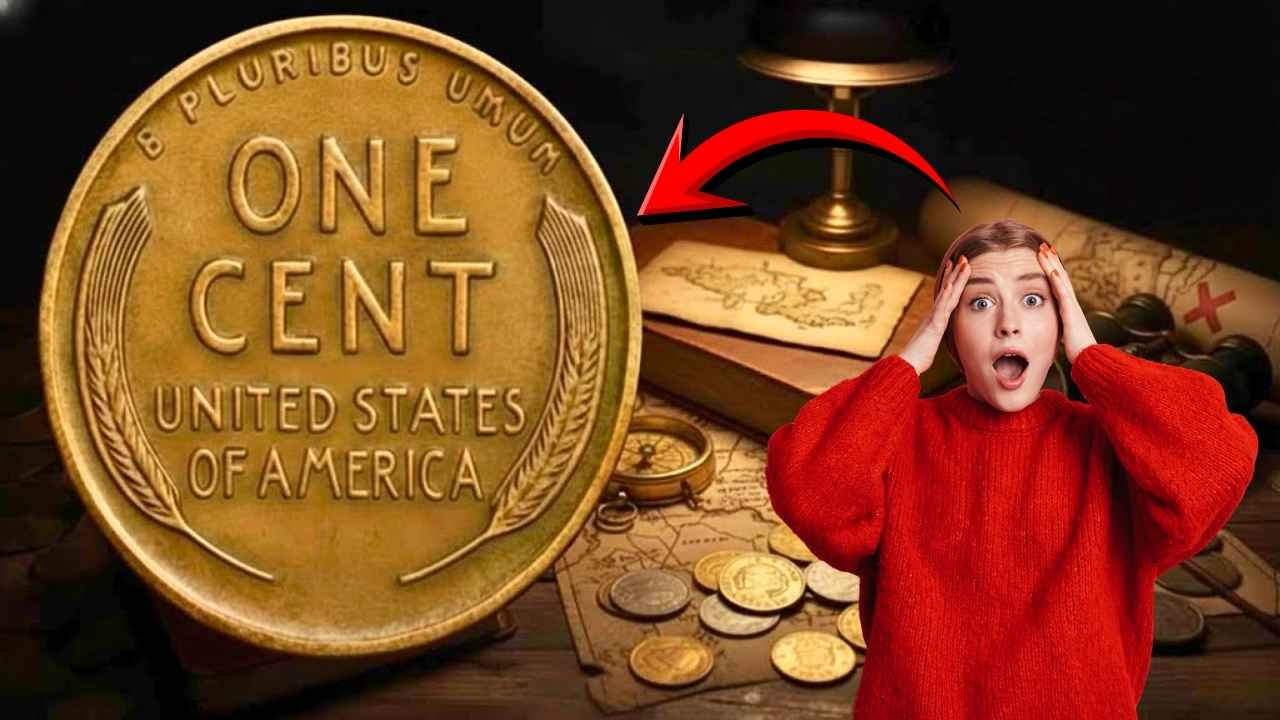
The Lincoln Wheat penny is one of the most iconic coins in American history. Minted from 1909 to 1958, it carries the image of Abraham Lincoln on the obverse and two wheat stalks on the reverse, symbolizing prosperity. While most Wheat pennies are worth only a few cents, certain rare varieties and error coins have shocked collectors with values reaching hundreds of thousands of dollars. In fact, one Lincoln Wheat penny has been valued at an astonishing $586,000, making it a dream find for coin enthusiasts. This guide explores the history, errors, and values of Wheat pennies in 2026, offering insights into how collectors can identify treasures hidden in plain sight.
The History of the Lincoln Wheat Penny
Introduced in 1909 to commemorate the centennial of Abraham Lincoln’s birth, the Wheat penny was the first US coin to feature a president’s portrait. Designed by Victor David Brenner, the coin quickly became a staple of American currency. The reverse design with two wheat ears remained until 1958, after which the Lincoln Memorial design replaced it. Over the decades, billions of Wheat pennies were minted, but only a small fraction hold extraordinary value due to rarity or minting errors.
Rare Varieties That Command High Prices
Collectors are particularly drawn to Wheat pennies with unique characteristics. Some of the most valuable varieties include:
- 1909-S VDB Lincoln Cent, produced in San Francisco with the designer’s initials, considered one of the most famous rarities.
- 1914-D Lincoln Cent, a low‑mintage coin from Denver that remains highly sought after.
- 1922 No D Lincoln Cent, a variety where the Denver mint mark is missing due to a worn die.
- 1943 Copper Penny, mistakenly struck in copper instead of steel during World War II, worth hundreds of thousands.
- 1955 Doubled Die Obverse, showing dramatic doubling in the date and lettering, a favorite among collectors.
These coins stand out because they combine rarity with historical significance, making them prized possessions in any collection.
The $586,000 Lincoln Wheat Penny
Among the most astonishing finds is a Lincoln Wheat penny valued at $586,000. This coin’s extraordinary worth comes from a combination of rarity, condition, and collector demand. High‑grade examples of rare varieties, especially those authenticated by professional grading services, can command staggering prices at auction. The $586,000 penny serves as a reminder that even the smallest coin can hold immense value when rarity and history align.
Common Errors That Increase Value
Minting errors often turn ordinary coins into extraordinary collectibles. Some errors that can make Wheat pennies valuable include:
- Doubled die strikes, where inscriptions or dates appear doubled.
- Off‑center strikes, leaving part of the design missing.
- Die cracks or breaks, creating unusual patterns on the coin.
- Wrong planchet errors, where a coin is struck on the wrong metal.
These errors are rare because they occur during the minting process, and once discovered, they are corrected. As a result, surviving examples are scarce and valuable.
Factors That Determine Value
Not every Wheat penny is worth a fortune. Several factors influence the value of a coin:
- Rarity, with fewer surviving examples commanding higher prices.
- Condition, as uncirculated or mint state coins are worth more than worn ones.
- Historical significance, especially coins tied to notable events.
- Collector demand, which drives auction prices and market trends.
A coin that combines rarity with pristine condition can easily sell for thousands, and in exceptional cases, hundreds of thousands.
How to Identify Valuable Wheat Pennies
Collectors should carefully examine their coins for signs of rarity or errors. Using a magnifying glass, check for doubling, missing mint marks, or unusual features. Pay close attention to the date and mint mark, as certain years are more prone to valuable varieties. Professional grading services such as PCGS or NGC can authenticate and grade coins, providing assurance to buyers and often increasing market value.
The Market for Rare Pennies in 2026
The coin collecting market remains strong in 2026, with rare Wheat pennies continuing to attract high bids. Online marketplaces, auctions, and coin shows provide platforms for buying and selling. Social media has also fueled interest, introducing younger generations to the excitement of coin collecting. Prices for rare varieties remain resilient, with coins like the 1943 copper penny and 1955 doubled die obverse setting records. As awareness grows, demand for rare Wheat pennies is likely to remain high.
Tips for Collectors and Sellers
For those interested in collecting or selling Wheat pennies, a few practical tips can help:
- Start by examining coins already in your possession.
- Learn about the most valuable varieties and how to spot them.
- Join coin clubs or online communities to connect with experienced collectors.
- Consider professional grading for coins that appear rare or valuable.
- Be patient, as building a collection takes time and persistence.
By following these steps, collectors can avoid common pitfalls and maximize the potential of their finds.
Key Highlights
- Lincoln Wheat pennies were minted from 1909 to 1958.
- Rare varieties such as the 1909-S VDB, 1914-D, 1943 copper, and 1955 doubled die can be worth thousands.
- One Lincoln Wheat penny has been valued at $586,000.
- Errors such as doubled dies, off‑center strikes, and wrong planchets increase value.
- Rarity, condition, and demand are the main factors influencing value.
- The coin collecting market in 2026 remains strong, with growing interest among new generations.
Final Words
The Lincoln Wheat penny is more than just a piece of copper; it is a symbol of history, artistry, and hidden value. While most pennies remain worth only a cent, rare varieties can transform pocket change into a life‑changing discovery. Whether you are a seasoned collector or a curious beginner, exploring the world of Wheat pennies offers both excitement and opportunity. The next time you come across an old penny, take a closer look—you might be holding a treasure worth far more than you imagined.