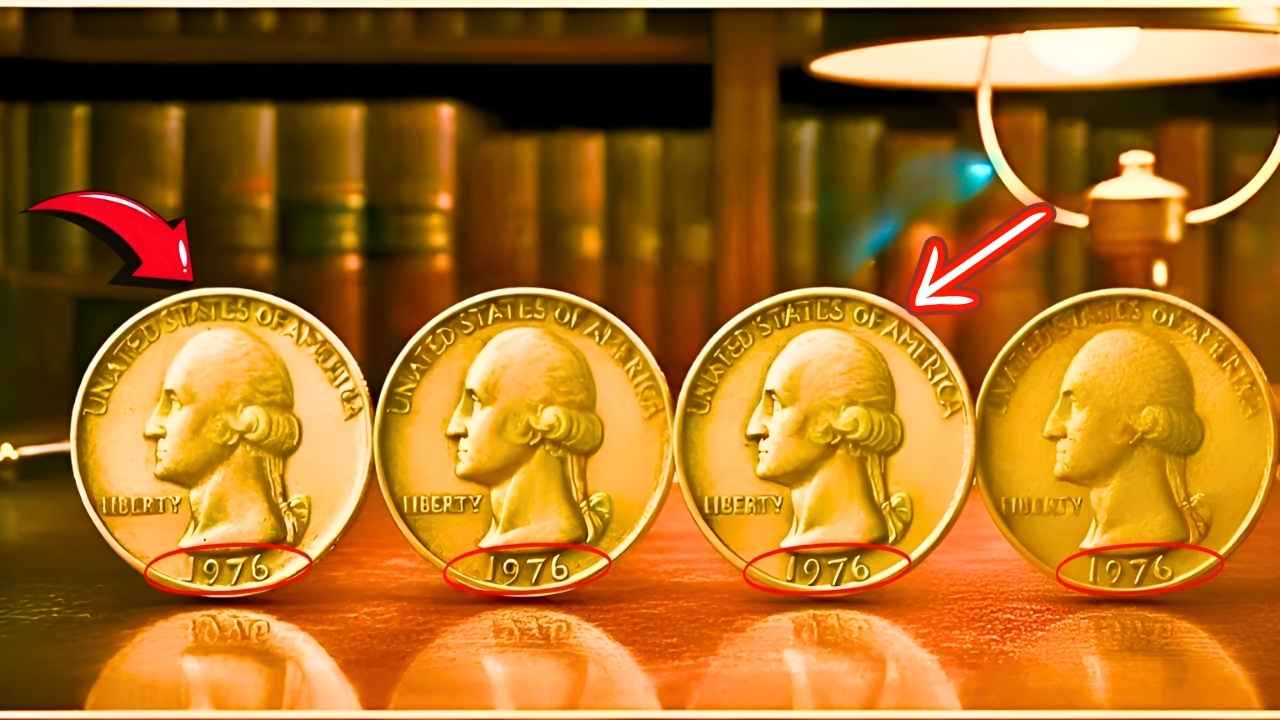
Rare Quarters Worth Big Money : Coins have always fascinated collectors and investors alike. While most quarters in circulation are worth only twenty‑five cents, some rare editions can fetch thousands of dollars. These valuable pieces of history are not just pocket change; they are treasures that could change your financial future. Imagine discovering a rare quarter in your collection or even in your loose change that is worth enough to fund your retirement. The allure of rare quarters lies in their scarcity, historical significance, and the stories they carry.
Why Rare Quarters Are Valuable
The value of a coin is determined by several factors, including rarity, condition, demand, and historical importance. Quarters that were minted in limited numbers or contain errors are often the most sought after. Collectors are willing to pay high prices for coins that are difficult to find, especially if they are in pristine condition. Over time, the value of these coins tends to increase, making them not only collectibles but also smart investments.
The 1932 Washington Quarter
One of the most famous rare quarters is the 1932 Washington Quarter. This coin was introduced to commemorate the 200th anniversary of George Washington’s birth. While millions were minted, the versions produced at the Denver and San Francisco mints are extremely rare. The 1932‑D and 1932‑S quarters are highly prized among collectors, with values reaching thousands of dollars depending on condition. Owning one of these coins could easily boost your financial portfolio.
The 1970 Washington Quarter Error
Error coins are particularly valuable because they are unique. The 1970 Washington Quarter is a prime example. Some of these coins were mistakenly struck on Canadian quarters, creating a rare and unusual piece. Collectors are fascinated by such errors, and the 1970 quarter has been known to sell for impressive sums at auctions. This demonstrates how even modern coins can hold extraordinary value if they contain rare mistakes.
The 2000 Sacagawea Dollar Mule
Although technically not a quarter, the 2000 Sacagawea Dollar Mule deserves mention because of its rarity and connection to quarter collectors. This coin was accidentally struck with a Washington Quarter obverse and a Sacagawea reverse, creating a hybrid that should never have existed. Only a handful of these coins are known to exist, and they have sold for tens of thousands of dollars. Such examples highlight how minting errors can create treasures worth far more than their face value.
The 1916 Standing Liberty Quarter
The Standing Liberty Quarter, introduced in 1916, is another coin that commands high prices. The first year of issue is particularly rare, as only a limited number were produced. Collectors value this coin not only for its scarcity but also for its artistic design, which is considered one of the most beautiful in American coinage. A well‑preserved 1916 Standing Liberty Quarter can easily be worth thousands of dollars today.
The 1937 Washington Quarter Doubled Die
Doubled die coins occur when the die used to strike the coin is misaligned, creating a doubled image. The 1937 Washington Quarter with a doubled die obverse is a rare find that excites collectors. The doubling is visible in the lettering and details, making it a distinctive piece. Such coins are highly sought after and can command significant prices depending on their condition.
Modern State Quarters with Errors
The State Quarters program, launched in 1999, produced billions of coins featuring designs from each state. While most are common, some error versions are extremely valuable. For example, certain Delaware quarters show a horse with missing details, while others from Wisconsin feature an extra leaf on the corn stalk. These small variations make the coins unique and highly collectible. Even though they are relatively modern, error state quarters can be worth hundreds or even thousands of dollars.
How to Identify Rare Quarters
Identifying rare quarters requires attention to detail. Collectors often look for mint marks, unusual features, or signs of errors. Mint marks indicate where the coin was produced, and certain locations produced fewer coins, making them rarer. Errors such as doubling, off‑center strikes, or unusual materials are also indicators of value. Condition plays a crucial role, as coins in mint or near‑mint condition are worth far more than those that are worn.
Investing in Rare Quarters
Rare quarters are not just collectibles; they can be valuable investments. As demand for these coins increases, their value tends to rise. Many collectors view rare coins as a hedge against inflation, as they retain value over time. Investing in rare quarters requires knowledge and patience, but the rewards can be substantial. A single coin discovered in your collection could be worth enough to fund your retirement or provide financial security for years to come.
Where to Find Rare Quarters
Rare quarters can be found in various places, from coin shops and auctions to your own pocket change. Many collectors start by examining coins they already own, looking for unusual features or mint marks. Online marketplaces and coin shows are also excellent sources for rare coins. However, it is important to verify authenticity and condition before making a purchase, as counterfeit coins do exist.
Conclusion
The idea of retiring rich from owning a rare quarter may sound like a dream, but for many collectors, it has become a reality. Coins such as the 1932 Washington Quarter, the 1916 Standing Liberty Quarter, and modern error quarters have proven to be worth thousands of dollars. By paying attention to details and understanding what makes a coin valuable, you could uncover a hidden treasure in your collection. Rare quarters are more than just currency; they are pieces of history that carry immense value. Owning one could be your ticket to financial freedom and a retirement filled with comfort and security.