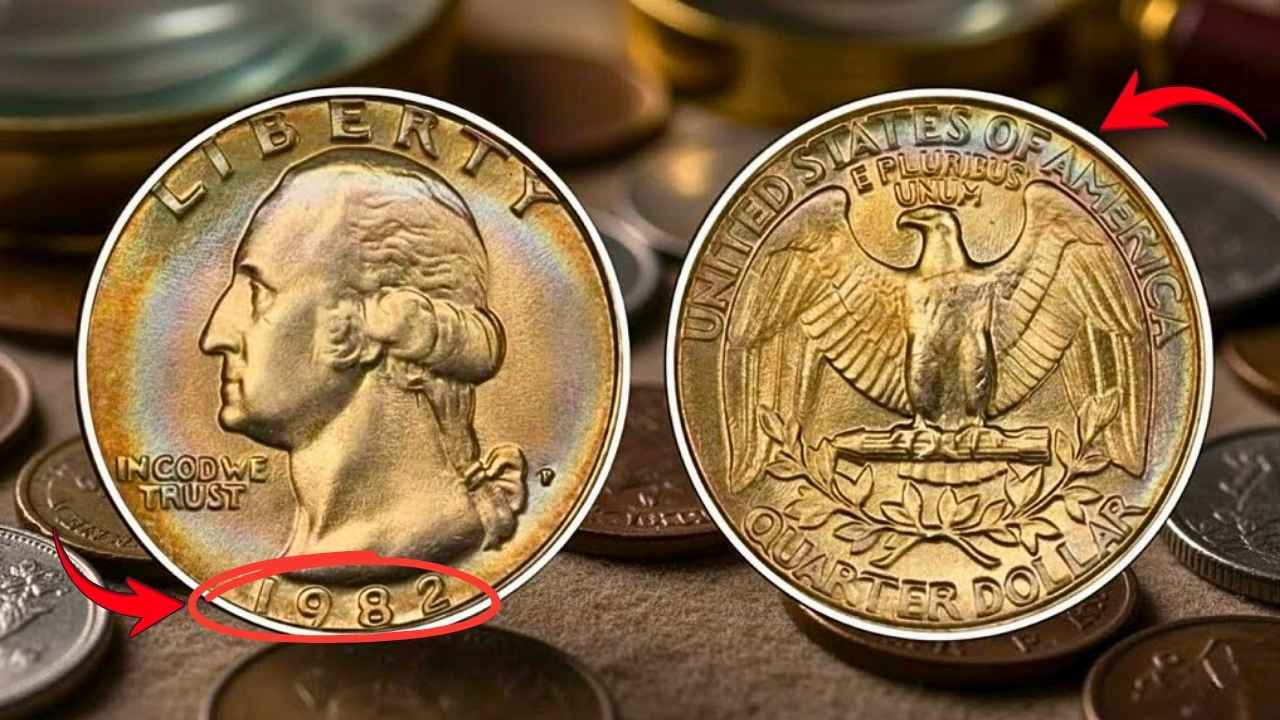
Coins have always fascinated collectors and historians alike, not only for their monetary value but also for the stories they carry. In the United States, quarters are among the most widely circulated coins, yet some rare editions are worth far more than their face value. These quarters, often overlooked in everyday transactions, can hold values ranging from hundreds to thousands of dollars depending on their rarity, condition, and historical significance. Understanding which quarters are valuable and why can help collectors and casual enthusiasts alike recognize hidden treasures in their pocket change.
The History of the U.S. Quarter
The U.S. quarter was first introduced in 1796, featuring Lady Liberty on the obverse. Over the centuries, the design has evolved, reflecting changes in American culture and history. From the Standing Liberty quarters of the early 20th century to the Washington quarters introduced in 1932, each design tells a story about the era in which it was minted.
Special editions, errors, and limited runs have made certain quarters highly sought after. Collectors often look for unique features such as mint marks, double strikes, or unusual compositions that distinguish rare coins from ordinary ones.
The 1932 Washington Quarter
One of the most iconic quarters is the 1932 Washington quarter, introduced to commemorate the 200th anniversary of George Washington’s birth. While millions were produced, certain mint marks such as the “D” for Denver and “S” for San Francisco are rare. These coins, especially in pristine condition, can fetch significant sums at auctions.
Collectors prize these quarters not only for their rarity but also for their historical significance, as they marked the beginning of a design that continues to this day.
The 1970 Washington Quarter Error
Error coins often attract attention due to their uniqueness. The 1970 Washington quarter is one such example, with some coins mistakenly struck on 1941 Canadian quarters. These rare errors are highly valuable, with collectors willing to pay thousands of dollars for them.
Such mistakes highlight the complexities of coin production and the occasional surprises that emerge from the minting process.
The 2004 Wisconsin State Quarter
The U.S. Mint’s State Quarters program, launched in 1999, introduced designs representing each state. While most of these quarters are common, the 2004 Wisconsin quarter stands out due to a unique error. Some coins feature an extra leaf on the corn stalk depicted on the reverse side.
This small variation has made the coin highly collectible, with values far exceeding its face value. It serves as a reminder that even modern coins can hold hidden treasures.
The 1937 Standing Liberty Quarter
The Standing Liberty quarter, produced between 1916 and 1930, is another series prized by collectors. The 1937 edition, particularly those in mint condition, is rare and valuable. Its design, featuring Lady Liberty holding a shield and olive branch, symbolizes both defense and peace.
Collectors admire these quarters for their artistry and historical context, making them a staple in many collections.
The 1964 Silver Quarter
Quarters minted before 1965 were composed of 90 percent silver, making them valuable not only to collectors but also to investors. The 1964 silver quarter is particularly notable, as it was the last year before the transition to copper‑nickel clad coins.
While not exceedingly rare, these silver quarters are worth more than face value due to their metal content. In times of economic uncertainty, such coins often gain additional appeal as tangible assets.
Factors That Determine Value
Several factors influence the value of rare quarters. Rarity is the most obvious, with limited mint runs or unique errors driving up prices. Condition is equally important, as coins in pristine, uncirculated states are far more valuable than worn examples. Historical significance also plays a role, with coins tied to important events or transitions often commanding higher prices.
Collectors often rely on grading systems to assess a coin’s condition, with professional grading services providing certifications that enhance value and credibility.
Collecting Rare Quarters
For those interested in collecting, rare quarters offer an accessible entry point into numismatics. Unlike some rare coins that are prohibitively expensive, quarters can often be found in circulation or acquired at reasonable prices. Collectors should educate themselves about key dates, mint marks, and errors to identify valuable coins.
Attending coin shows, joining collector clubs, and consulting reputable guides can provide valuable insights. Online marketplaces also offer opportunities to buy and sell, though caution is advised to avoid counterfeit or misrepresented coins.
Key Highlights
- Rare U.S. quarters can be worth far more than their face value due to rarity, errors, and historical significance
- The 1932 Washington quarter with Denver and San Francisco mint marks is highly sought after
- Error coins like the 1970 Washington quarter and 2004 Wisconsin quarter are valuable due to unique variations
- Standing Liberty quarters and silver quarters minted before 1965 hold both collectible and investment value
- Condition, rarity, and historical context are key factors in determining a coin’s worth
Final Words
Rare U.S. quarters remind us that everyday objects can hold extraordinary value. From historical commemorations to minting errors, these coins capture moments in time while offering financial rewards to those who recognize their significance. For collectors, they represent both passion and opportunity. For casual enthusiasts, they serve as a reminder to look closely at the change in their pockets.
The world of rare quarters is a fascinating blend of history, art, and economics. As interest in numismatics continues to grow, these coins will remain treasured artifacts that connect us to the past while offering tangible value in the present.