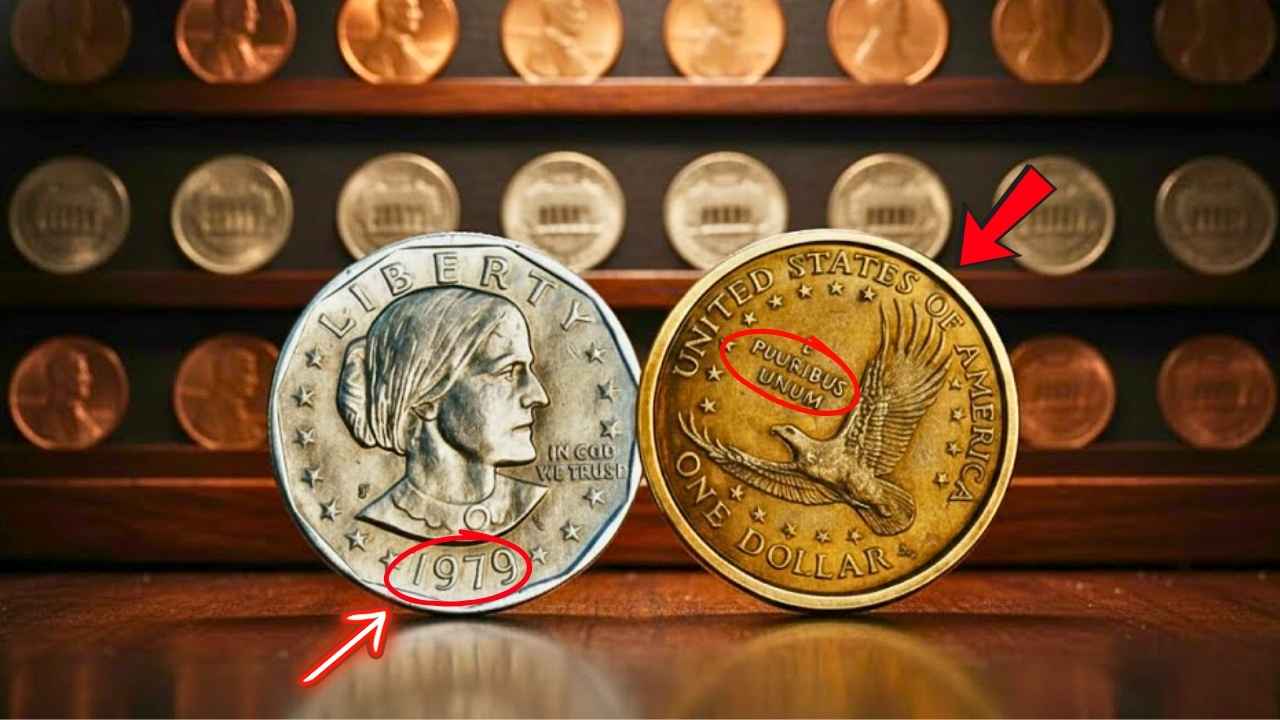
Dollar coins have long been a fascinating part of American currency history. While paper bills dominate everyday transactions, dollar coins have carried symbolic weight, often honoring figures who shaped the nation. Among the most notable are the Susan B. Anthony dollar and the Sacagawea dollar. Both coins tell stories of courage, leadership, and progress, yet their journeys in circulation and public perception reveal much about American society. This article explores the untold story behind these coins, their historical significance, and their lasting impact on collectors and the public.
The Birth of the Susan B. Anthony Dollar
In 1979, the United States Mint introduced the Susan B. Anthony dollar to honor one of the most influential leaders of the women’s suffrage movement. Anthony dedicated her life to securing voting rights for women, and placing her image on a coin was a powerful tribute. The coin was designed to be smaller and more practical than the Eisenhower dollar, which was considered too large for everyday use. However, the Susan B. Anthony dollar faced challenges from the start. Its size and color closely resembled the quarter, leading to confusion in circulation. Despite its noble intent, the coin struggled to gain acceptance among the public.
Public Reception and Legacy of the Anthony Dollar
The Susan B. Anthony dollar was minted from 1979 to 1981, with a final issue in 1999. Although it was not widely embraced in daily transactions, it remains significant as the first U.S. coin to feature a real woman rather than a symbolic figure like Liberty. Collectors value the coin for its historical importance, and certain minting errors and proof versions are highly sought after. The Anthony dollar symbolizes both progress and the challenges of introducing new currency designs.
The Introduction of the Sacagawea Dollar
In 2000, the U.S. Mint sought to replace the Anthony dollar with a coin that would be more distinct and appealing. The Sacagawea dollar was introduced, featuring the Shoshone woman who played a vital role in the Lewis and Clark expedition. Sacagawea guided the explorers through unfamiliar terrain and served as a symbol of peace during their journey. The coin’s golden color and smooth edge set it apart from quarters, addressing the confusion that plagued the Anthony dollar. The design, created by artist Glenna Goodacre, depicted Sacagawea carrying her infant son, Jean Baptiste, highlighting her strength and resilience.
Circulation and Challenges of the Sacagawea Dollar
Although the Sacagawea dollar was visually striking, it too faced difficulties in circulation. Americans were accustomed to using paper bills for one‑dollar transactions, and coins were often seen as inconvenient. Despite efforts to promote the coin, including partnerships with major retailers and the U.S. Postal Service, the Sacagawea dollar never achieved widespread use. However, it gained popularity among collectors, especially for special issues such as proof sets and limited editions.
The Symbolism Behind These Coins
Both the Susan B. Anthony and Sacagawea dollars carry deep symbolic meaning. Anthony represents the fight for women’s rights and equality, while Sacagawea embodies courage, guidance, and cultural heritage. Their presence on U.S. currency reflects a broader effort to honor diverse contributions to American history. These coins remind us that currency is not just a medium of exchange but also a canvas for national identity and values.
Collectors’ Perspective
For coin collectors, both the Anthony and Sacagawea dollars hold unique appeal. The Anthony dollar is valued for its historical significance and limited mintage, while the Sacagawea dollar is admired for its artistry and special editions. Collectors often seek rare varieties, such as proof coins, minting errors, and limited releases. Over time, these coins have become more than currency; they are artifacts that tell stories of progress, struggle, and recognition.
Educational and Cultural Impact
Beyond their monetary value, these coins serve as educational tools. They introduce younger generations to important figures in American history, sparking curiosity about the women who shaped the nation. Schools and museums often use these coins to teach lessons about suffrage, exploration, and cultural diversity. In this way, the Anthony and Sacagawea dollars continue to inspire and educate, ensuring that their stories remain alive.
Key Highlights
- The Susan B. Anthony dollar was introduced in 1979 to honor the women’s suffrage leader
- Its similarity to the quarter caused confusion, limiting its success in circulation
- The Sacagawea dollar debuted in 2000 with a golden color and distinct design
- Both coins faced challenges in everyday use but became popular among collectors
- They symbolize progress, equality, and cultural heritage in American history
- Special editions and minting errors make these coins valuable to numismatists
Final Words
The Susan B. Anthony and Sacagawea dollars represent more than currency; they embody stories of resilience, leadership, and recognition. While neither coin achieved widespread circulation, their legacy endures through collectors, educators, and historians. They remind us that the figures chosen for our currency reflect the values we hold as a nation. The untold story of these coins is one of progress and perseverance, ensuring that Susan B. Anthony and Sacagawea remain honored in American memory.