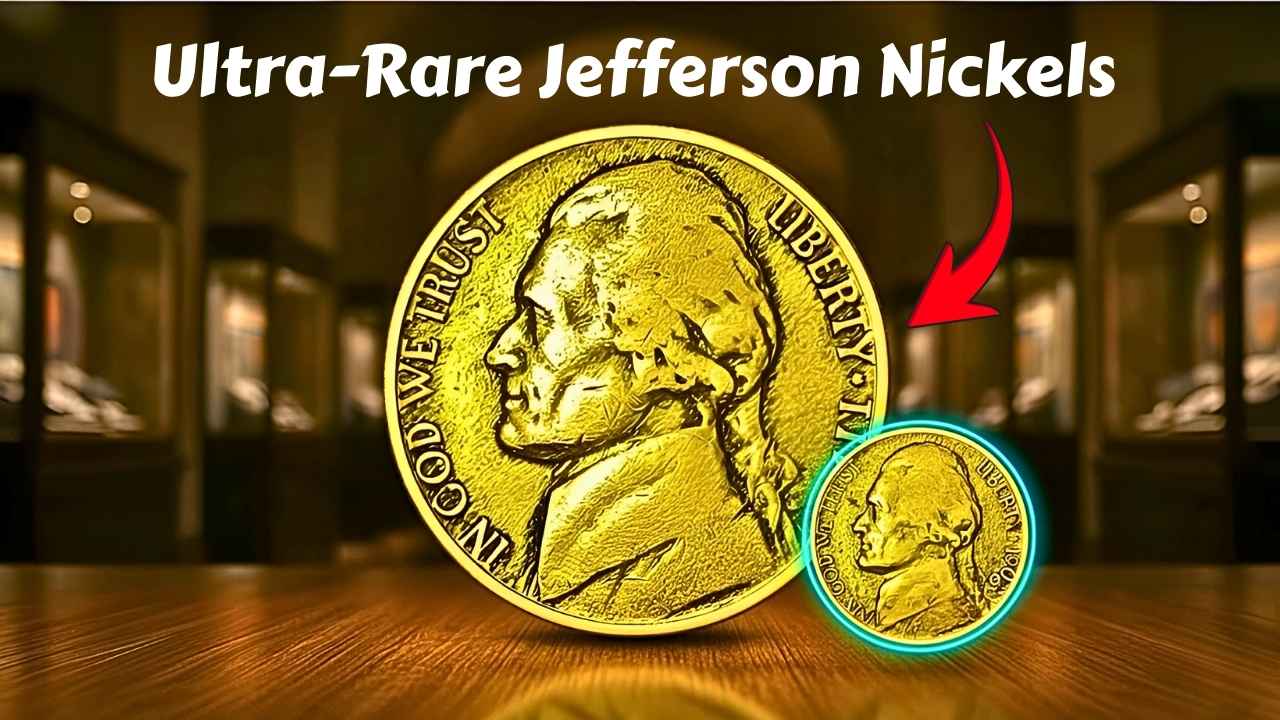
Jefferson nickels have been a cornerstone of American coinage since their introduction in 1938. While millions of these coins were minted and circulated over the decades, a select few stand out as ultra-rare treasures. These nickels are not only valuable in terms of money but also carry immense historical significance. Collectors and enthusiasts often spend years searching for these elusive pieces, hoping to add them to their collections. This article explores the history, rarity, and value of ultra-rare Jefferson nickels, along with tips for identifying them and understanding their place in the numismatic world.
The Birth of the Jefferson Nickel
The Jefferson nickel was first minted in 1938, replacing the Buffalo nickel. Designed by Felix Schlag, the coin features a portrait of Thomas Jefferson on the obverse and his home, Monticello, on the reverse. The design was intended to honor Jefferson’s contributions to American history and to modernize the look of circulating coinage. Over the years, the design underwent minor modifications, but the essence of Schlag’s vision remained intact.
What Makes a Jefferson Nickel Rare
Not all Jefferson nickels are created equal. While most are common and worth only their face value, certain factors can make a nickel rare and highly sought after. These include low mintage numbers, minting errors, unique varieties, and coins preserved in exceptional condition. Collectors often look for nickels with doubled dies, repunched mint marks, or unusual striking characteristics. These anomalies transform ordinary coins into extraordinary finds.
Famous Ultra-Rare Jefferson Nickels
Several Jefferson nickels have achieved legendary status among collectors. Some of the most notable examples include:
1939 Doubled Monticello
This variety features a doubled image of Monticello on the reverse. The doubling is clear and visible, making it one of the most famous Jefferson nickel errors. Its rarity and distinct appearance make it highly desirable.
1942 Wartime Silver Nickels
During World War II, nickel was a critical material for military production. To conserve resources, the U.S. Mint produced nickels using an alloy of silver, copper, and manganese. These wartime nickels are unique because of their composition and the large mint mark above Monticello, which was not used before or after this period.
1950-D Jefferson Nickel
The 1950-D nickel is one of the lowest mintage coins in the series, with only 2.6 million produced. While not an error coin, its scarcity makes it a key date for collectors. High-grade examples can command impressive prices.
1964 Special Strike Nickels
These coins were struck with a satin-like finish and are believed to be experimental pieces. Only a handful exist, making them extremely rare and valuable. Their mysterious origin adds to their allure.
1971 No S Proof Nickel
Proof coins are typically struck with great care and include a mint mark. However, a small number of 1971 proof nickels were mistakenly struck without the “S” mint mark. These coins are exceptionally rare and highly prized.
Value of Ultra-Rare Jefferson Nickels
The value of a Jefferson nickel depends on its rarity, condition, and demand among collectors. Common nickels may only be worth a few cents, but ultra-rare varieties can fetch hundreds or even thousands of dollars. For example, a 1950-D nickel in pristine condition can sell for several hundred dollars, while a 1964 special strike nickel can reach tens of thousands at auction. Collectors often rely on grading services to determine the quality and authenticity of their coins, which directly impacts value.
How to Identify Rare Jefferson Nickels
Identifying rare nickels requires careful examination. Collectors should look for unusual features such as doubled images, missing mint marks, or unique finishes. A magnifying glass or microscope can help spot subtle details. Reference guides and online resources provide valuable information about known varieties and errors. Additionally, consulting with experienced numismatists can help confirm the rarity of a coin.
Collecting Tips for Enthusiasts
For those interested in building a Jefferson nickel collection, patience and knowledge are key. Start by collecting common dates to build a foundation. Then, gradually seek out rarer varieties and errors. Attending coin shows, joining numismatic clubs, and participating in online forums can provide opportunities to learn and connect with other collectors. It is also important to store coins properly to preserve their condition. Using protective holders and keeping coins in a controlled environment can prevent damage and maintain value.
The Historical Significance of Jefferson Nickels
Beyond their monetary value, Jefferson nickels represent a piece of American history. They reflect changes in design, minting technology, and even wartime resource management. Each rare variety tells a story about the era in which it was produced. Collectors often appreciate these coins not only for their rarity but also for the historical context they embody.
Key Highlights
- Jefferson nickels were first minted in 1938 to honor Thomas Jefferson.
- Rare nickels are identified by low mintage, errors, or unique varieties.
- Famous examples include the 1939 Doubled Monticello, 1942 wartime silver nickels, and 1950-D nickels.
- Ultra-rare nickels like the 1964 special strike and 1971 No S proof are worth thousands.
- Proper identification and grading are essential for determining value.
- Collecting requires patience, knowledge, and careful preservation.
- Jefferson nickels hold historical significance beyond their monetary worth.
Final Words
Ultra-rare Jefferson nickels are more than just coins; they are treasures that capture the essence of American history and craftsmanship. For collectors, finding one of these elusive pieces is both a challenge and a triumph. Whether you are a seasoned numismatist or a beginner, the journey of collecting Jefferson nickels offers endless opportunities for discovery and appreciation. By learning about their history, rarity, and value, you can deepen your understanding of these remarkable coins and perhaps uncover a hidden gem in your own pocket change.