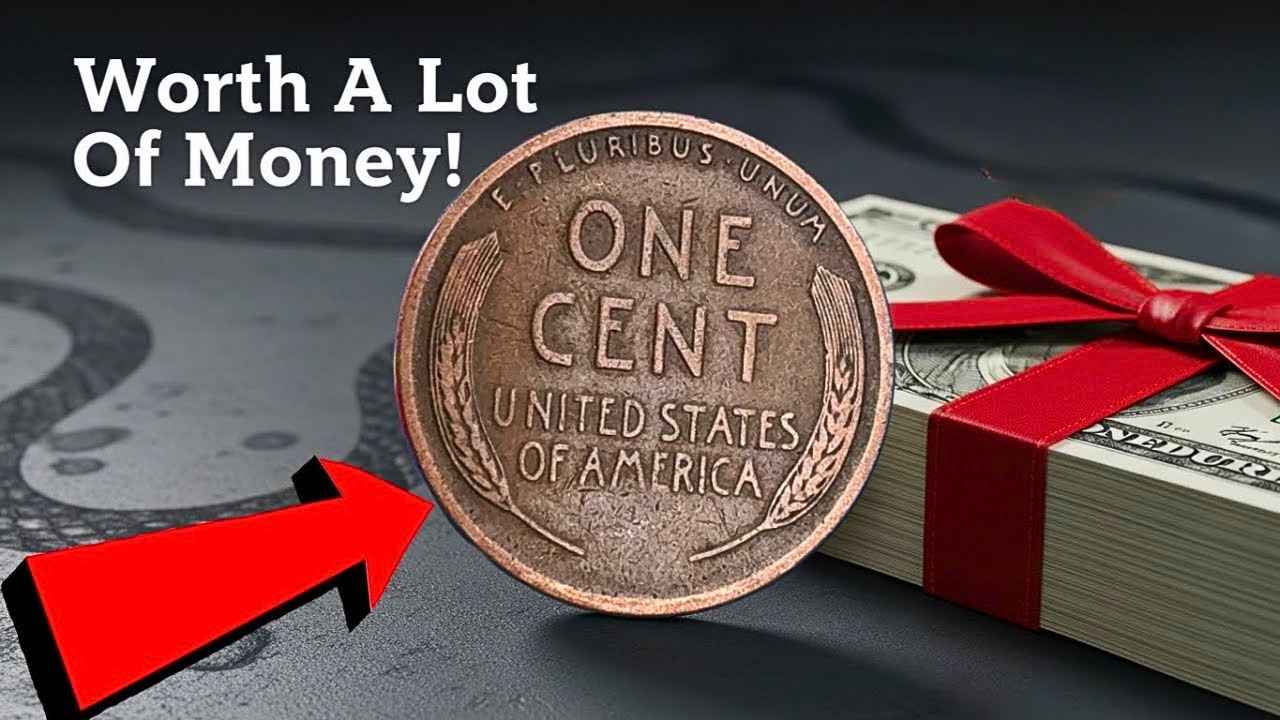
Wheat Pennies, officially known as Lincoln Wheat Cents, are among the most beloved coins in American numismatics. Minted from 1909 to 1958, these coins feature the iconic portrait of Abraham Lincoln on the obverse and two wheat stalks on the reverse. While millions of Wheat Pennies were produced, certain rare dates and varieties have become legendary, fetching life-changing sums at auctions. Collectors fight over these coins not only for their monetary value but also for their historical significance and rarity. This article explores the top five Wheat Pennies that stand out as hidden treasures worth millions.
The Birth of the Wheat Penny
The Lincoln Wheat Cent was introduced in 1909 to commemorate the centennial of Abraham Lincoln’s birth. Designed by Victor David Brenner, it was the first U.S. coin to feature a real person rather than a symbolic figure. The reverse design with two wheat stalks symbolized prosperity and growth. The coin quickly became popular and remained in circulation for nearly five decades before being replaced by the Lincoln Memorial design in 1959.
Factors That Make Wheat Pennies Valuable
Not all Wheat Pennies are worth more than a cent, but certain factors elevate their value. Rarity is the most important, often determined by low mintage numbers or unique varieties. Minting errors, such as doubled dies or off-center strikes, also increase desirability. Condition plays a crucial role, with coins graded at higher levels commanding premium prices. Provenance, or the coin’s history of ownership, can further enhance value. Collectors often seek coins certified by professional grading services to ensure authenticity and quality.
1909-S VDB Wheat Penny
The 1909-S VDB is one of the most famous Wheat Pennies. Minted in San Francisco, it features the initials of designer Victor David Brenner on the reverse. Only 484,000 were produced before the initials were removed due to controversy, making this coin extremely rare. High-grade examples can fetch hundreds of thousands of dollars, and some exceptional specimens have been valued in the millions. Collectors prize this coin for its historical significance as part of the first year of issue.
1914-D Wheat Penny
The 1914-D is another key rarity in the series. With a mintage of just over one million, it is scarce compared to other Wheat Pennies. High-grade examples are extremely difficult to find, and their value continues to rise. Collectors prize the 1914-D for its rarity and historical importance, making it one of the most sought-after coins in the series. In pristine condition, it can command life-changing sums at auctions.
1922 No D Wheat Penny
The 1922 No D variety is a fascinating error coin. Due to a worn die at the Denver Mint, some coins were struck without the “D” mint mark. This error created a rare variety that collectors eagerly seek. High-grade examples of the 1922 No D can fetch impressive prices, sometimes reaching into the millions. Its rarity and unique story make it a hidden treasure in the world of Wheat Pennies.
1931-S Wheat Penny
The 1931-S is another low-mintage rarity, with only 866,000 produced. While not as famous as the 1909-S VDB or 1914-D, it remains highly desirable among collectors. High-grade examples are scarce and can command significant sums. The 1931-S is often considered a sleeper coin, meaning its value may continue to rise as collectors recognize its rarity and importance.
1944 Steel Wheat Penny
The 1944 Steel Wheat Penny is one of the most intriguing coins in the series. During World War II, pennies were struck in steel in 1943 to conserve copper for the war effort. In 1944, production returned to copper, but a few steel planchets were mistakenly used, creating the rare 1944 Steel Penny. Only a handful are known to exist, and they can fetch millions at auction. This coin is considered one of the ultimate treasures in American numismatics.
Collecting Wheat Pennies
For collectors, Wheat Pennies offer both accessibility and excitement. Common dates are easy to find, but rare varieties require patience and expertise. Collectors should focus on identifying key dates, mint marks, and potential errors. Professional grading services provide assurance of authenticity and quality, which is essential for high-value coins. Storage is also important; coins should be kept in protective holders to prevent damage and preserve value.
Investment Potential
Wheat Pennies are not only collectibles but also investments. Rare varieties and high-grade coins tend to appreciate over time, especially as demand from collectors grows. For investors, acquiring rare Wheat Pennies can be a way to diversify assets while owning tangible pieces of American history. The combination of rarity, historical significance, and collector demand ensures that these coins remain valuable treasures.
Key Highlights
- Wheat Pennies were minted from 1909 to 1958, featuring Abraham Lincoln and wheat stalks.
- The 1909-S VDB is one of the most famous and valuable coins in the series.
- The 1914-D and 1931-S are key low-mintage rarities.
- The 1922 No D is a rare error variety highly prized by collectors.
- The 1944 Steel Penny is one of the rarest coins, worth millions.
- Condition, rarity, and errors are the main factors determining value.
- Wheat Pennies offer both collecting enjoyment and investment potential.
Final Words
Wheat Pennies have transcended their role as everyday currency to become symbols of history, artistry, and value. From the rare 1909-S VDB to the legendary 1944 Steel Penny, these coins represent hidden treasures waiting to be discovered. Whether you are a seasoned numismatist or a beginner, exploring Wheat Pennies offers a rewarding journey into America’s past and the exciting world of coin collecting. Their enduring popularity ensures that they will remain valuable for generations to come.